The Right Way to Restart a Damaged Lawn Successfully
Share on:
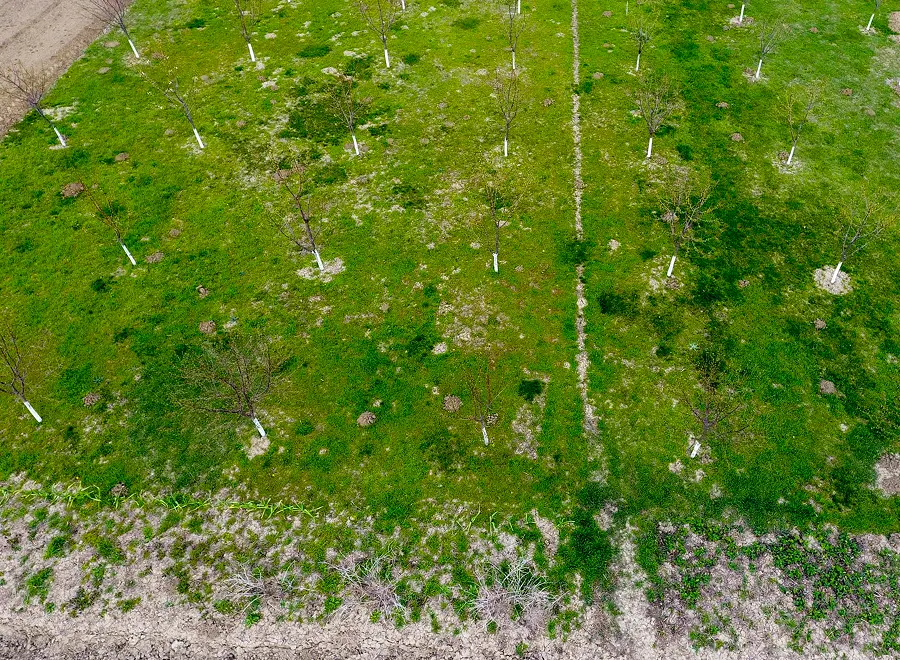
A damaged lawn may seem difficult to restore, but the right approach can bring life back to struggling grass areas.
Understanding lawn recovery
Bare patches, poor drainage, and weak growth are often signs of underlying soil issues. Repairing these problems first improves long-term success.
Why consistency matters
Regular maintenance isn’t about overworking your garden; it’s about working with it. Pruning, watering, feeding, and observing your plants consistently allows them to grow naturally and healthily. You begin to notice patterns—the sun’s movement, seasonal growth spurts, soil conditions—that guide smarter decisions. This knowledge transforms your garden from a space of effort into a space of enjoyment.


Practical Steps to Start:
Remove damaged grass completely
Improve soil quality first
Reseed affected areas evenly
Water consistently during regrowth
Conclusion:
Restarting a damaged lawn requires planning and patience, but steady care can restore beauty and healthy growth.